


OUR catalog
Classes for
Normal People
Can’t choose just one class? Sign up for The Society of Normal People to get unlimited access to all of B4NP classes, exclusive episodes, and community forum.
Looking to watch a class you purchased in the past on our old website? We have transitioned to a new class portal where you can access your past purchases. Email us with your original order number(s) and we’ll get you set up.
Is The Bible Relevant?
Many of us grew up being told the Bible had an answer for every moral dilemma, every political debate, every life decision. When we discovered it didn't work that way, we were left wondering: Is the Bible even relevant anymore?
In this class, theologian Drew G. I. Hart argues that if we're looking for a rulebook, the answer is clearly no. But if we're willing to read scripture as a living conversation of wisdom and inspiration that bends toward justice, liberation, and shalom, then the Bible becomes extremely relevant. Drawing on his own theological traditions, Drew will walk through how different parts of the Bible are healing as well as harmful, yet collectively can inform some of today's most urgent concerns (race, empire, gender, land, and peacemaking) and how we can interpret, wrestle with, and embody scripture’s wisdom for pursuing more just and mutually liberative communities rather than as a weapon to dominate others.
Following Jesus in the American Empire
What is the right relationship of faith to politics? If you’re watching the news lately you might have seen it play out in a lot of ways, many of them harmful. This class invites us to reflect on what it means for the U.S. to be an “empire” and how the values of empire continue to shape our lives. Rather than separating faith and politics we will look at how Scripture has things to say about politics: about power, injustice, and the mercy and justice of God. In this class, instructor Kat Armas will teach us about the stories we have inherited—about power, belonging, fear, and control—and consider how they echo the logic of empire present throughout Scripture.
Together, we will explore what it means to follow Jesus when our politics are full of division and domination. How can our theology move us toward faithful presence rather than passive acceptance? What does it look like to embody mercy, justice, and truth in our personal lives, our families and neighborhoods, and out in public?
Is This The Apocalypse?
Few questions have haunted human beings more persistently than this one: are we living in the last days? From the early church to the medieval plague years, from the World Wars to the Cold War, every generation has had its reasons to suspect the end was near. Our own moment — with its wars, pandemics, environmental crisis, and fracturing political order — feels no different.
In this class, Robyn Whitaker takes a candid look at scripture's apocalyptic texts and how they have been interpreted within American Christianity. We'll explore what texts like the Book of Revelation and Daniel meant in their ancient context and ask how that should shape the way we read them today. We'll also reckon with the history of apocalyptic prediction in the USA, and why dispensationalism has proven so persistently popular due to the influence of the Scofield Bible and the Left Behind novels. We’ll see how the theologies of Rapture, Tribulation, the Antichrist, and Armageddon have hijacked our thinking and quietly shaped foreign policy and popular culture.
But this isn't just a history lesson. We'll wrestle seriously with the unsettling feeling that our own moment somehow feels like the end of something. What do the Bible’s apocalypses have to say to people living in genuinely frightening times? And what does it mean to live faithfully when the world seems to be unravelling?
What Is Biblical Marriage?
A common refrain in many Christian spaces today is the call to pursue a “biblical marriage.” But what if that phrase tells us more about modern culture wars than it does about the ancient world? In this class, Dr. Jennifer Bird draws on her extensive research to reframe four passages most often used to define “biblical marriage.” This class invites a more historically grounded, theologically responsible conversation about marriage and human flourishing—helping us reframe how we approach the Bible for guidance today.

The Bible is Not a Rulebook
For many Christians, the Bible has long been treated as a moral instruction manual—offering clear, timeless, universal rules for right and wrong. But what happens when the text doesn’t behave like a rule book? When it contradicts itself, feels outdated, or refuses to give us the clarity we crave?

Anti-Apologetics 101: Better Ways to Read the Bible
The Bible has too often been used as a weapon to subjugate women, justify racism, harm LGBTQ+ people, and cover up abuse. In Anti-Apologetics 101: Better Ways to Read the Bible, Zach W. Lambert offers a more Christlike, justice-centered approach to Scripture that leads to healing and liberation instead of harm.
Jesus and the Culture Wars: The Gospels as Guides
How do stories told by and about Jesus help us ask the right questions about the issues fracturing society today? Are the Gospels even valuable to people who don’t believe in G-d, miracles, or final judgement? AJ Levine explains how Jesus’ parables, healings, instructions, and debates help readers navigate both community responsibility and personal ethics on topics such as health care, economics, ethnicity, slavery’s legacy, and family values.
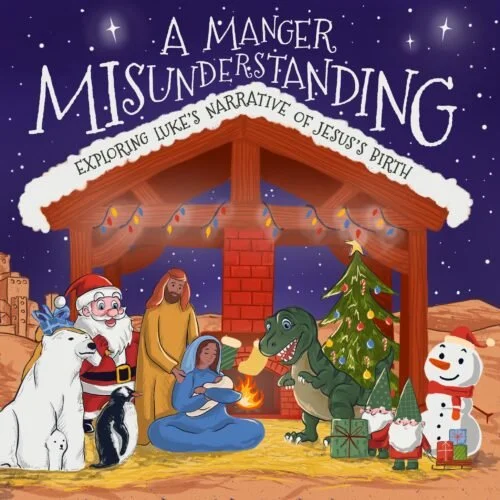
A Manger Misunderstanding: Exploring Luke’s Narrative of Jesus’s Birth
A Manger Misunderstanding: Exploring Luke’s Narrative of Jesus’s Birth. Pete Enns dives into the 1st-century Jewish world of Jesus’s birth, unraveling the surprising depth and meaning often lost in popular depictions of the nativity story.
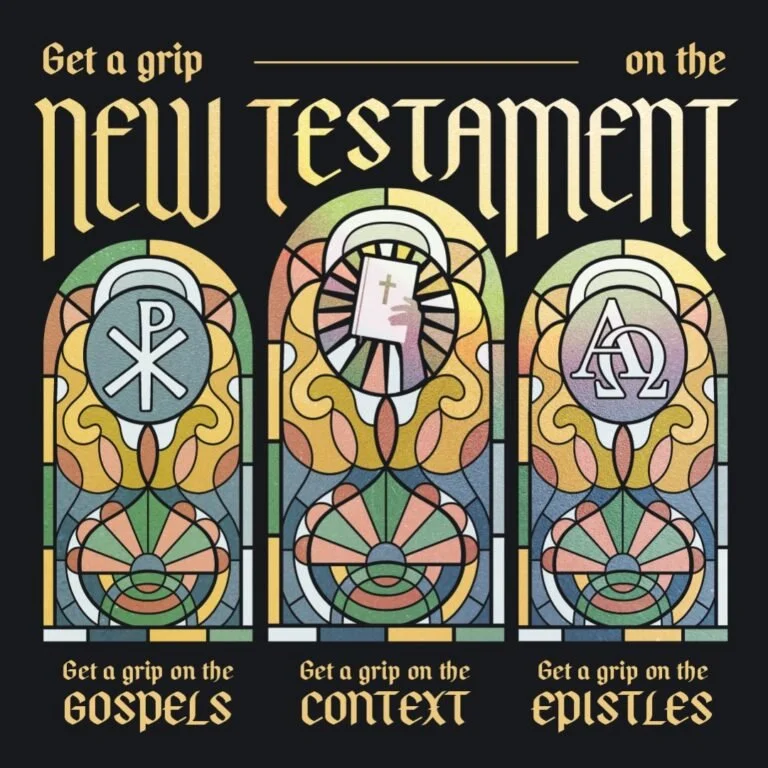
Get a Grip on the New Testament
Get a Grip on the New Testament: Three classes taught by Jennifer Garcia Bashaw exploring the context of the New Testament, the Gospels, and the Epistles.

Go To Hell?: Alternatives to Eternal Damnation
Go To Hell?: Alternatives to Eternal Damnation. Dr. Jaime Clark-Soles teaches on the history, language, and “meaning” of hell, what the Bible says about hell, the implications of hell on God’s character and morality, and how the concept of hell intertwines with the desire for justice.

Restoring All Things: Biblical Roots of Christian Universalism
Restoring All Things: Biblical Roots of Christian Universalism. Bradley Jersak teaches on the theology of “ultimate redemption” keeping in mind the biblical text and ancient context while remaining accessible to everyday people.

Life After Doom
More and more of us look at our global ecological crisis, our pervasive political division, our intensifying economic inequality, and our deep-seated racial and religious bigotry… and we feel hope draining away. Brian McLaren is grappling with this growing cloud of doom descending on millions of us… seeking to bring “wisdom and courage to a world falling apart.” He invites us to explore motivations deeper than hope and explore practices of realistic resilience in this short course for the B4NP community.
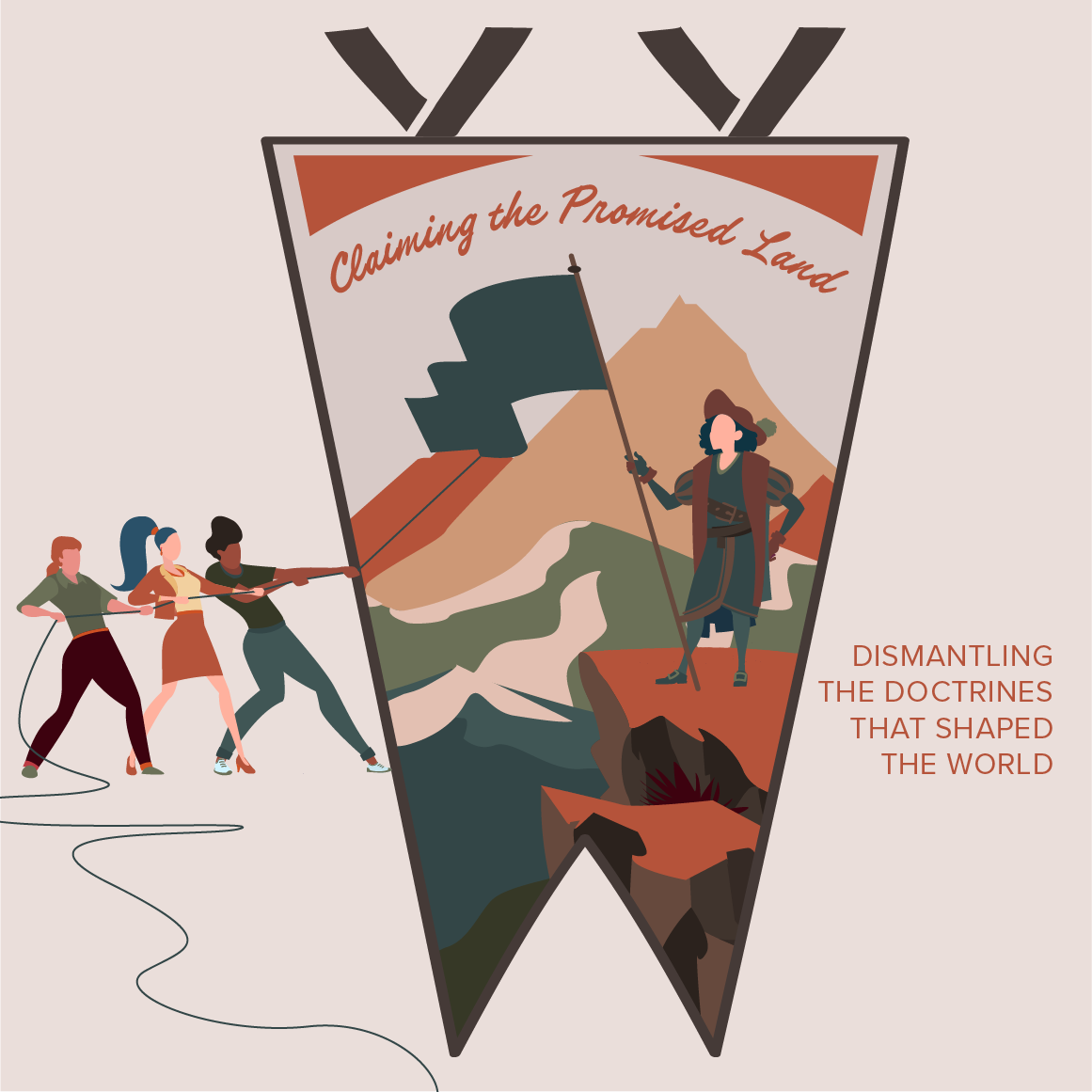
Claiming the Promised Land: Dismantling the Doctrines that Shaped the World
The “Doctrine of Discovery” is a philosophical and legal framework dating to the 15th century that gave Christian governments moral and legal rights to invade and seize indigenous lands and dominate Indigenous Peoples.
What is the religious justification for this doctrine? Led by Sarah Augustine, this class will explore a theological framework for decolonizing the Doctrine of Discovery and identify concrete steps toward seeking repair.
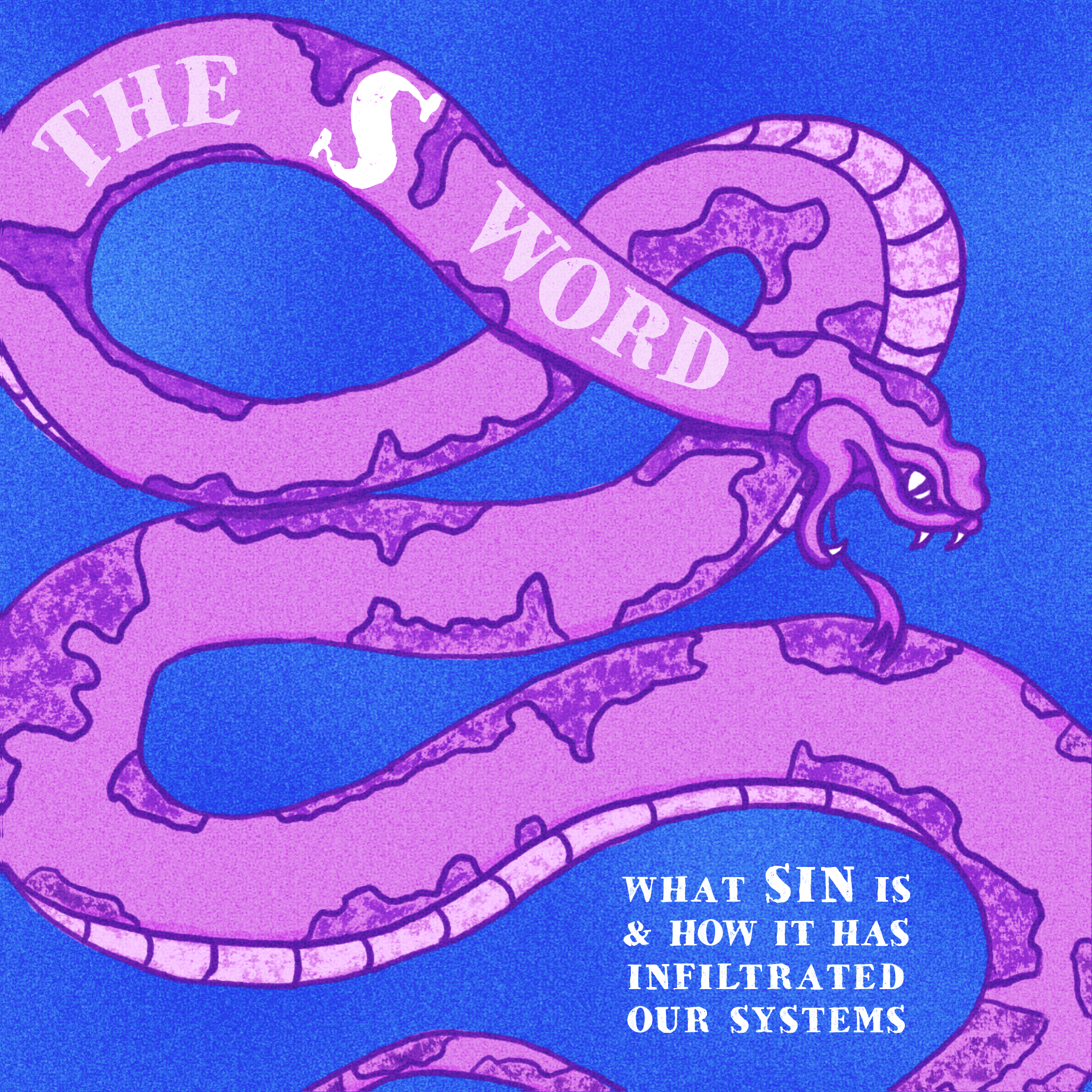
The S Word: What Sin Is & How It Has Infiltrated Our Systems
What do naked mole rats, the Millenium Bridge, & systemic injustice have in common? Why, in his letter to the Romans, does Paul emphasize sin as more of a person at work rather than individual shortcomings? What is Paul attempting to communicate about sin? In this class, Dr. Matthew Croasmun will explore Paul’s uses of “Sin” language in Romans 5-8 and how we might see the effects of sin at play in our world today.

Universal Salvation is Not Modern
This class will introduce participants to the Christian eschatological position of universal salvation, which teaches that all persons will eventually be reconciled to God through Jesus Christ in the Holy Spirit. Key figures in the Christian tradition (e.g., Origen of Alexandria, Gregory of Nyssa, Isaac of Nineveh, Julian of Norwich, etc.) who have held the universalist hope will be surveyed, in preparation for a systematic analysis of the key theological factors motivating an affirmation of universal salvation (e.g., biblical evidence, the doctrine of creatio ex nihilo, the revelation of God as self-giving, omnipotent love in Jesus Christ, etc.). Taught by Roberto de La Noval.

Not Kirk Cameron’s Apocalypse
Earthquakes. Falling stars. A blood red moon. The final judgment. The last days. These are just some of the things people associate with Revelation, the book that closes the Christian Bible. Because Revelation claims to disclose “things that must happen soon,” many Christians read it as a catalog of predictions or a blueprint for the “last days.” As result, some Christians use the book’s images and proclamations to control, dominate, instill fear, and even make a profit. In this class, Dr. Lynn R. Huber will define what an “apocalypse” is and why the author of Revelation might have chosen this language found in the last book of the Christian Bible.

Why God Died
Jesus’ crucifixion is a central part of Christianity, but why Jesus died is anything but simple to explain. In this one-night class, Dr. Jennifer Garcia Bashaw will survey the major atonement theories and comment on their strengths and weaknesses in explaining salvation.
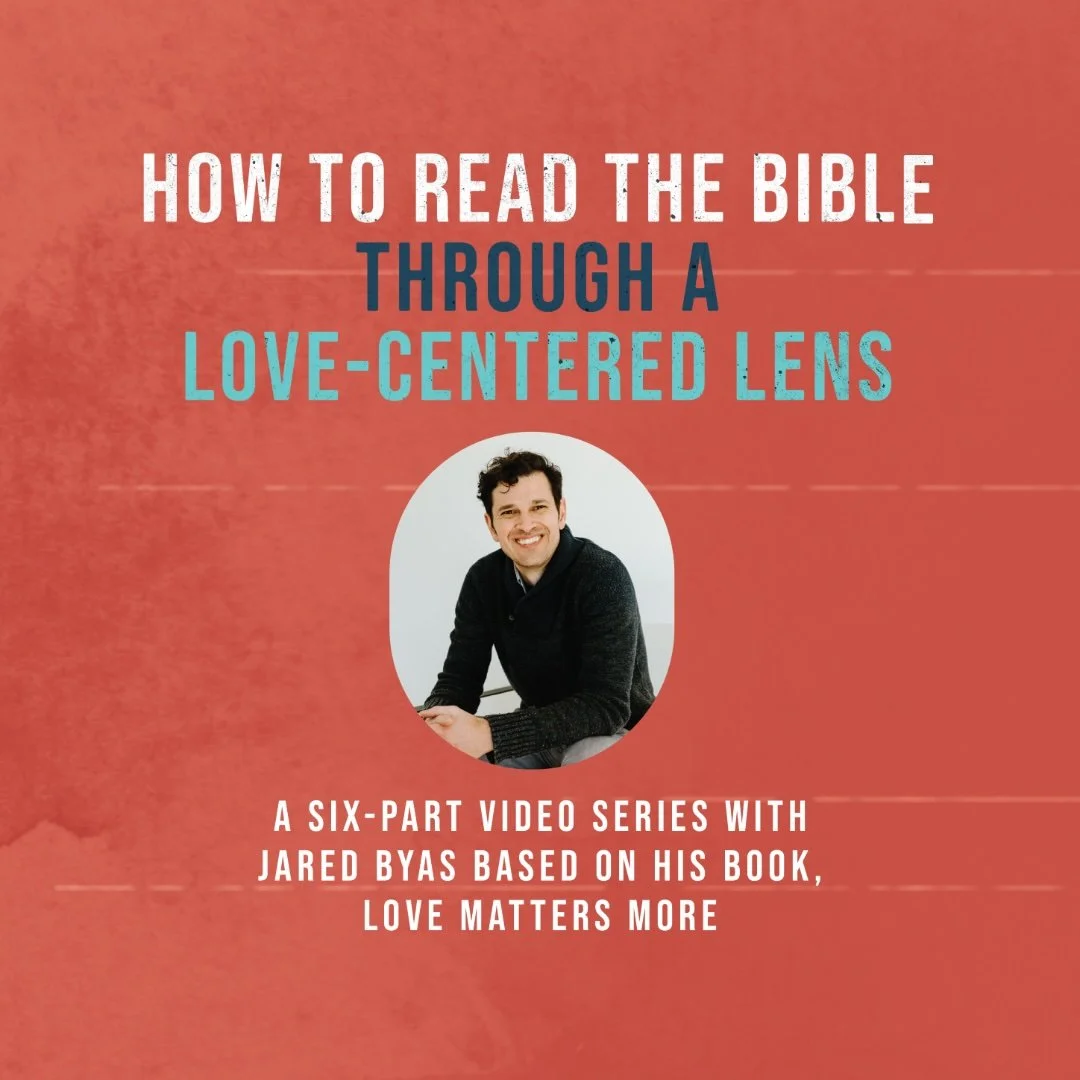
How to Read the Bible through a Love-Centered Lens
A six-part video series with Jared Byas based on his book, Love Matters More.
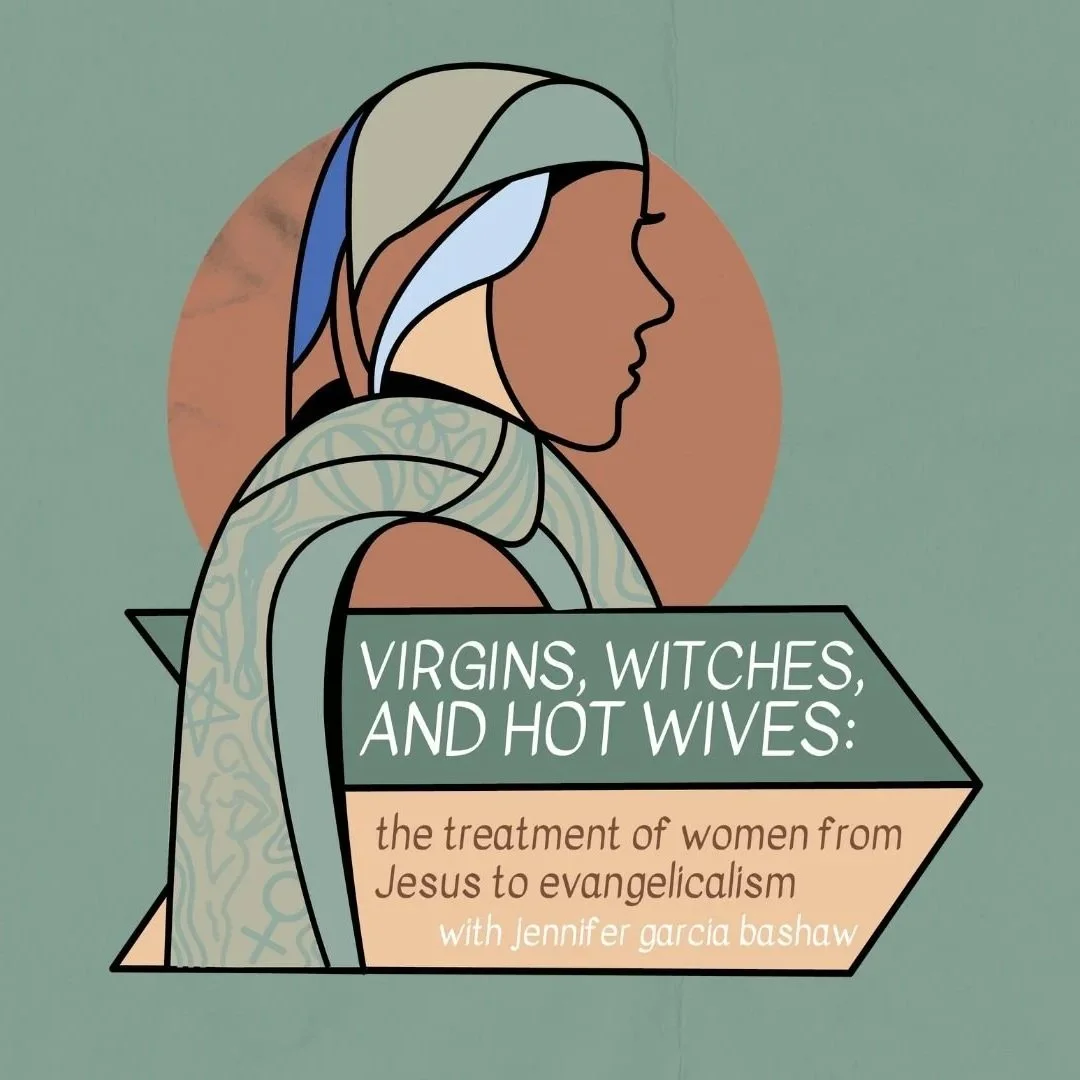
Virgins, Witches, and Hot Wives: The Treatment of Women from Jesus to Evangelicalism
Class focused on the biblical message about Jesus’s treatment of women in contrast with the church’s historical misogyny. Facilitated by Jennifer Garcia Bashaw.
Preaching Salvation Beyond Penal Substitutionary Atonement
This course is for any minister who wants to expand their language concerning the death of Jesus. Through a mixture of lectures and Q&A, we will talk about salvation in meaningful ways, through the lenses of sacrifice, victory, love, and freedom.