


OUR catalog
Classes for
Normal People
Can’t choose just one class? Sign up for The Society of Normal People to get unlimited access to all of B4NP classes, exclusive episodes, and community forum.
Looking to watch a class you purchased in the past on our old website? We have transitioned to a new class portal where you can access your past purchases. Email us with your original order number(s) and we’ll get you set up.
Understanding Eve: Looking At The Harm & Why It Didn’t Have To Be That Way
For centuries, the story of Eve has been used to say something about women: that they are more easily deceived, less trustworthy, or even responsible for humanity’s downfall. But is that really what the story says? In this class, we’ll explore how interpretations of Eve have shaped the way women have been understood and treated —and how reading the story from different perspectives can reveal an Eve we've never been taught to see. Along the way, we’ll discover that the harm caused by this story wasn’t inevitable but came from choices people have made about how to interpret it.
Is The Bible Relevant?
Many of us grew up being told the Bible had an answer for every moral dilemma, every political debate, every life decision. When we discovered it didn't work that way, we were left wondering: Is the Bible even relevant anymore?
In this class, theologian Drew G. I. Hart argues that if we're looking for a rulebook, the answer is clearly no. But if we're willing to read scripture as a living conversation of wisdom and inspiration that bends toward justice, liberation, and shalom, then the Bible becomes extremely relevant. Drawing on his own theological traditions, Drew will walk through how different parts of the Bible are healing as well as harmful, yet collectively can inform some of today's most urgent concerns (race, empire, gender, land, and peacemaking) and how we can interpret, wrestle with, and embody scripture’s wisdom for pursuing more just and mutually liberative communities rather than as a weapon to dominate others.
Is This The Apocalypse?
Few questions have haunted human beings more persistently than this one: are we living in the last days? From the early church to the medieval plague years, from the World Wars to the Cold War, every generation has had its reasons to suspect the end was near. Our own moment — with its wars, pandemics, environmental crisis, and fracturing political order — feels no different.
In this class, Robyn Whitaker takes a candid look at scripture's apocalyptic texts and how they have been interpreted within American Christianity. We'll explore what texts like the Book of Revelation and Daniel meant in their ancient context and ask how that should shape the way we read them today. We'll also reckon with the history of apocalyptic prediction in the USA, and why dispensationalism has proven so persistently popular due to the influence of the Scofield Bible and the Left Behind novels. We’ll see how the theologies of Rapture, Tribulation, the Antichrist, and Armageddon have hijacked our thinking and quietly shaped foreign policy and popular culture.
But this isn't just a history lesson. We'll wrestle seriously with the unsettling feeling that our own moment somehow feels like the end of something. What do the Bible’s apocalypses have to say to people living in genuinely frightening times? And what does it mean to live faithfully when the world seems to be unravelling?
The Bible is Not a Rulebook
For many Christians, the Bible has long been treated as a moral instruction manual—offering clear, timeless, universal rules for right and wrong. But what happens when the text doesn’t behave like a rule book? When it contradicts itself, feels outdated, or refuses to give us the clarity we crave?
Shaped by Suffering: How Trauma Impacts the Bible and Its Readers
Shaped by Suffering: How Trauma Impacts the Bible and Its Readers with Alexiana Fry explores how trauma-informed interpretation reshapes our understanding of Scripture, from the wounds of war and exile to the grief we carry as modern readers. This class offers tools for reading the Bible with greater empathy, honesty, and awareness.
Anti-Apologetics 101: Better Ways to Read the Bible
The Bible has too often been used as a weapon to subjugate women, justify racism, harm LGBTQ+ people, and cover up abuse. In Anti-Apologetics 101: Better Ways to Read the Bible, Zach W. Lambert offers a more Christlike, justice-centered approach to Scripture that leads to healing and liberation instead of harm.
American Christianity: How Did We Get Here?
Why is Christianity in the United States so deeply entangled with white Christian nationalism, political extremism, and racism today? Led by Dr. Jemar Tisby, this class will confront hard truths about how race and power shaped Christianity in the United States and how we can come together to imagine a better path forward.
Jesus and the Culture Wars: The Gospels as Guides
How do stories told by and about Jesus help us ask the right questions about the issues fracturing society today? Are the Gospels even valuable to people who don’t believe in G-d, miracles, or final judgement? AJ Levine explains how Jesus’ parables, healings, instructions, and debates help readers navigate both community responsibility and personal ethics on topics such as health care, economics, ethnicity, slavery’s legacy, and family values.
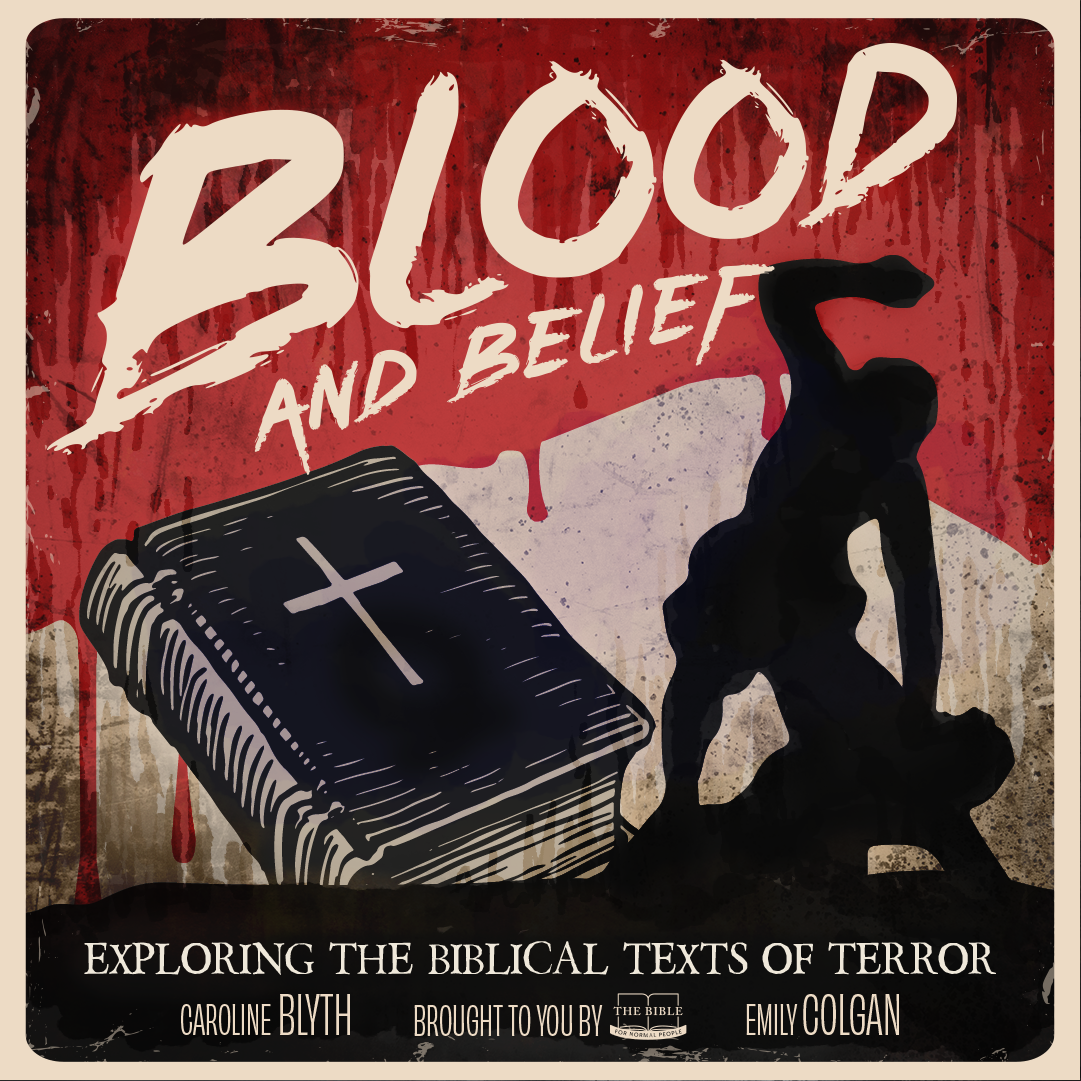
Blood and Belief: Exploring the Biblical Texts of Terror
Blood and Belief: Exploring the Biblical Texts of Terror. The Bible features both explicit and subtle depictions of violence, join scholars Caroline Blyth and Emily Colgan as they examine how these “texts of terror” reveal enduring lessons that help us understand and confront contemporary violence in its various forms.
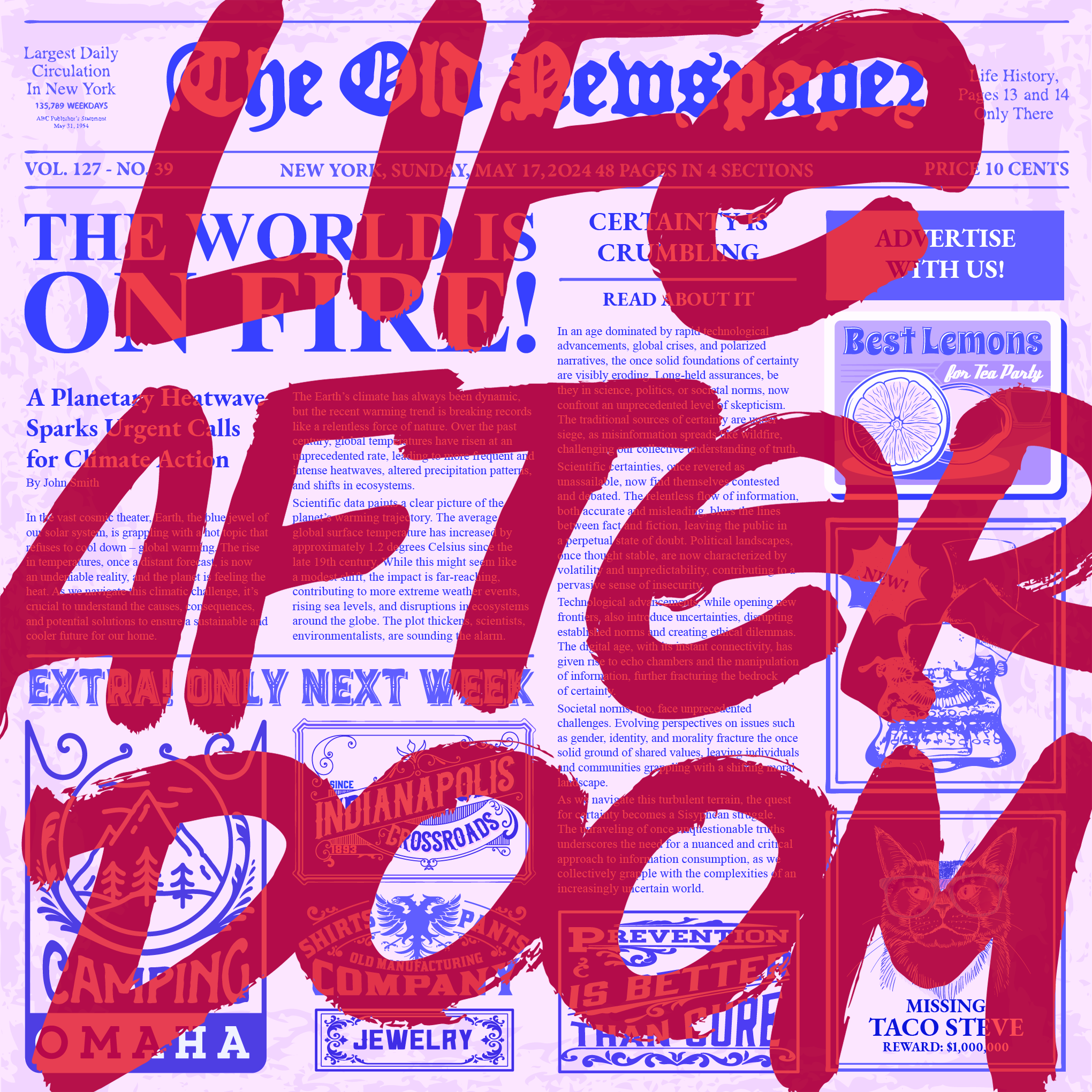
Life After Doom
More and more of us look at our global ecological crisis, our pervasive political division, our intensifying economic inequality, and our deep-seated racial and religious bigotry… and we feel hope draining away. Brian McLaren is grappling with this growing cloud of doom descending on millions of us… seeking to bring “wisdom and courage to a world falling apart.” He invites us to explore motivations deeper than hope and explore practices of realistic resilience in this short course for the B4NP community.
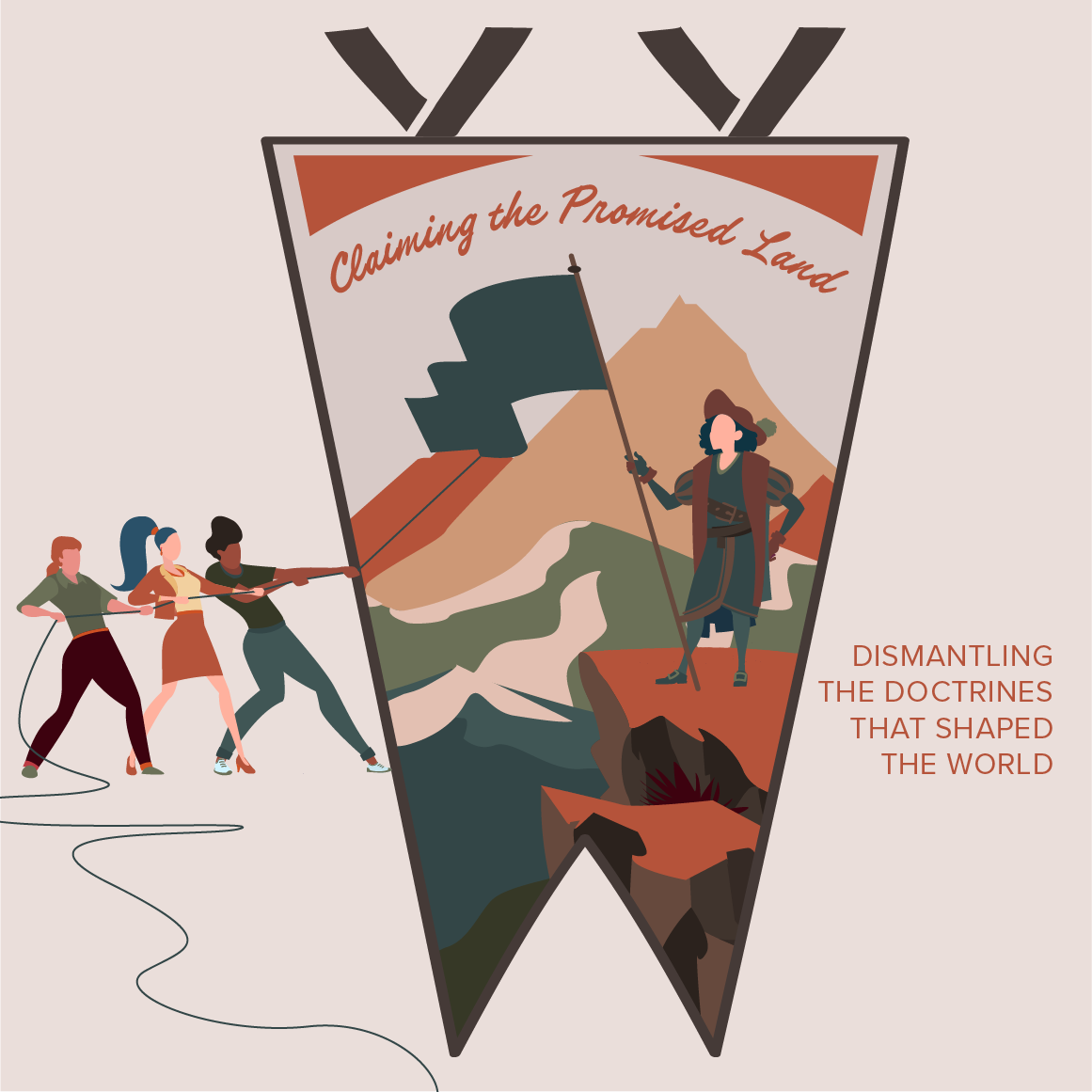
Claiming the Promised Land: Dismantling the Doctrines that Shaped the World
The “Doctrine of Discovery” is a philosophical and legal framework dating to the 15th century that gave Christian governments moral and legal rights to invade and seize indigenous lands and dominate Indigenous Peoples.
What is the religious justification for this doctrine? Led by Sarah Augustine, this class will explore a theological framework for decolonizing the Doctrine of Discovery and identify concrete steps toward seeking repair.
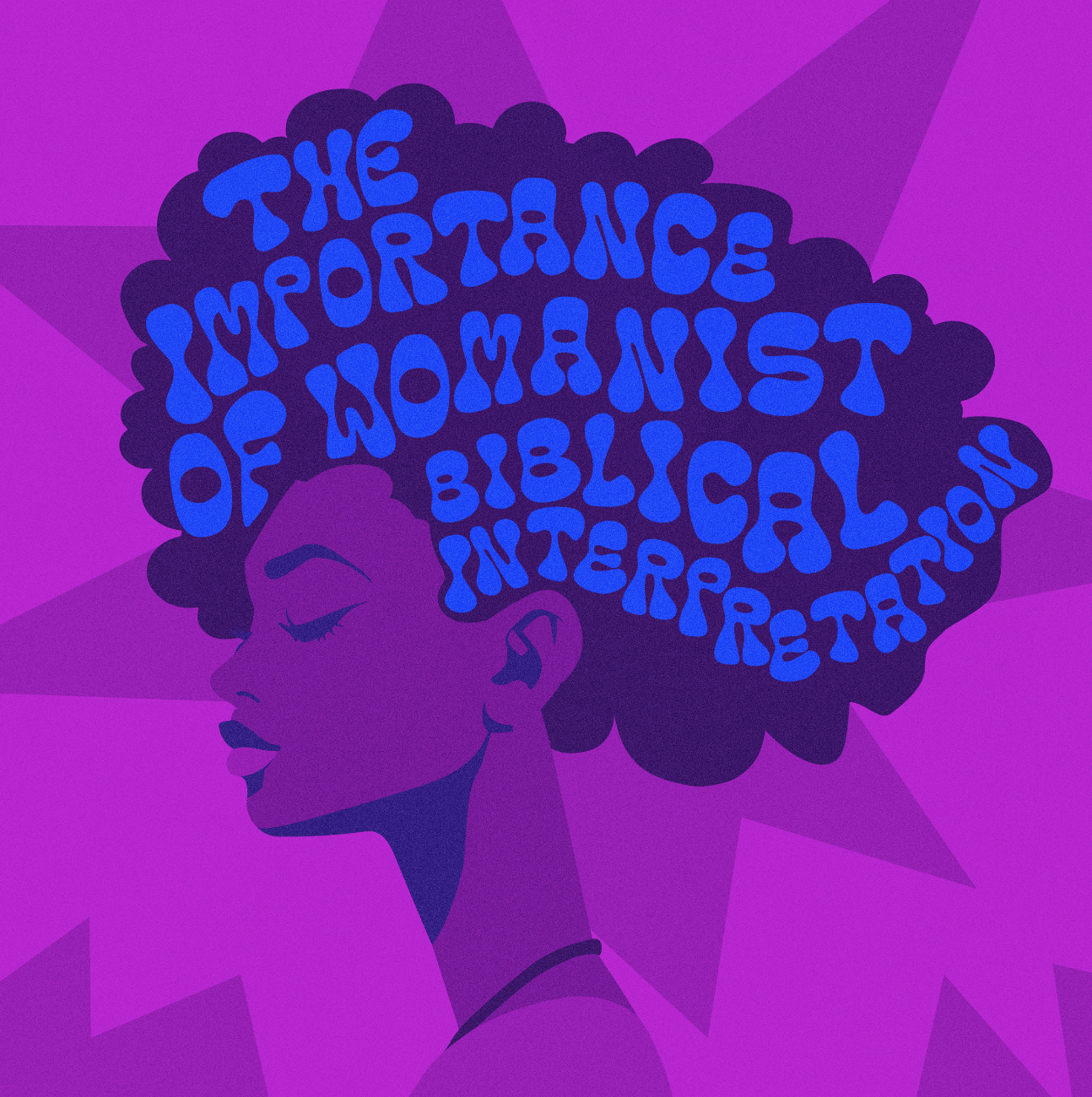
The Importance of Womanist Biblical Interpretation
Conversations surrounding Biblical interpretation have been ongoing since the conception of the Hebrew and Christian Bible. Throughout history, different frameworks and strategies have been birthed out of response to human experiences. In the late 19th century, the voices of black female scholars, Katie Cannon, Renita Weems, Delores S. Williams, Kelly Brown Douglas, Jacquelyn Grant & more, emerged in Christian theological discourse. In this class, Rev. Dr. Angela N. Parker will cover the foundations, the fundamentals & the futures of Womanist biblical interpretation.
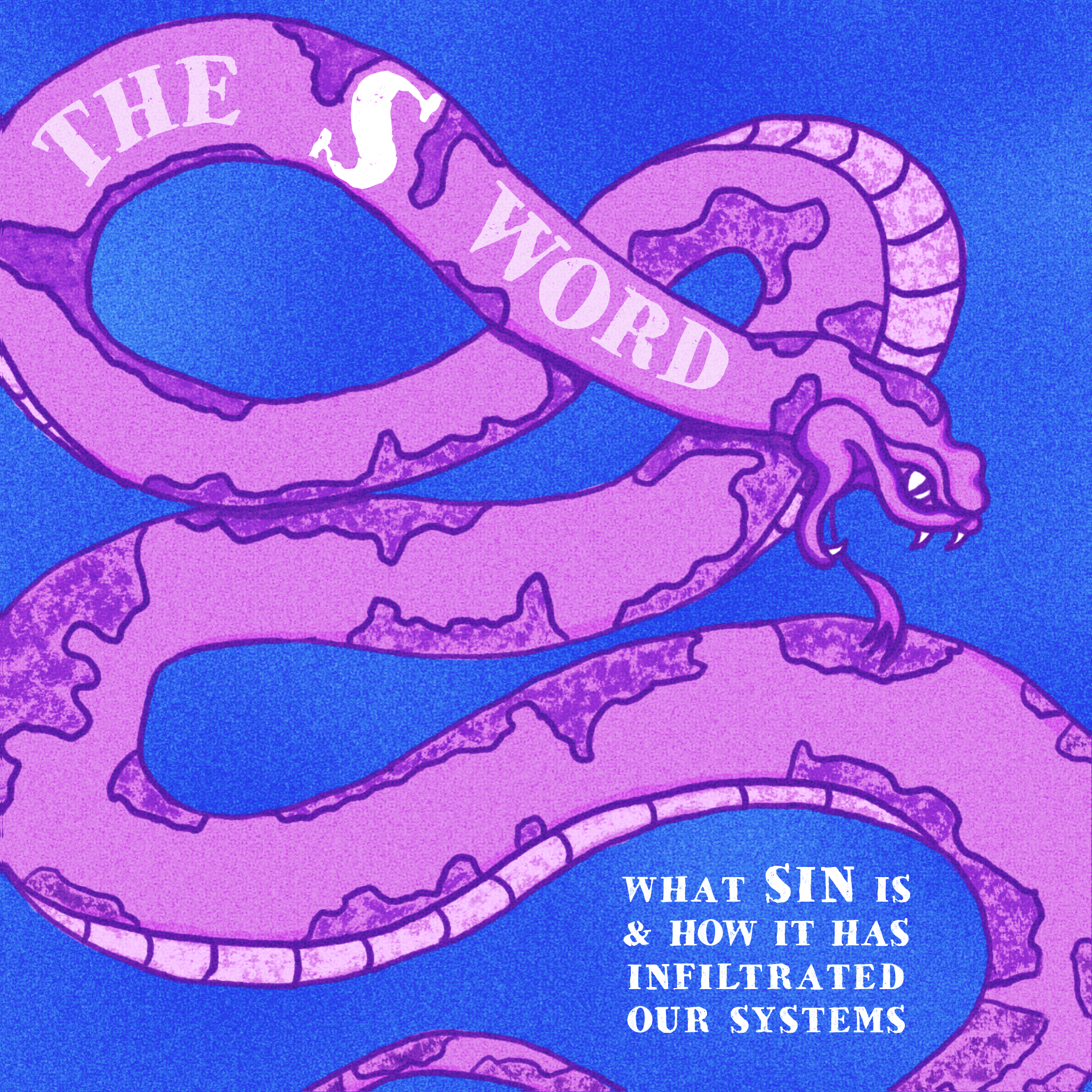
The S Word: What Sin Is & How It Has Infiltrated Our Systems
What do naked mole rats, the Millenium Bridge, & systemic injustice have in common? Why, in his letter to the Romans, does Paul emphasize sin as more of a person at work rather than individual shortcomings? What is Paul attempting to communicate about sin? In this class, Dr. Matthew Croasmun will explore Paul’s uses of “Sin” language in Romans 5-8 and how we might see the effects of sin at play in our world today.

Not Kirk Cameron’s Apocalypse
Earthquakes. Falling stars. A blood red moon. The final judgment. The last days. These are just some of the things people associate with Revelation, the book that closes the Christian Bible. Because Revelation claims to disclose “things that must happen soon,” many Christians read it as a catalog of predictions or a blueprint for the “last days.” As result, some Christians use the book’s images and proclamations to control, dominate, instill fear, and even make a profit. In this class, Dr. Lynn R. Huber will define what an “apocalypse” is and why the author of Revelation might have chosen this language found in the last book of the Christian Bible.
The Bible is Not a Sex Book
A one–night class surveying the Bible’s diverse and sometimes questionable sexual ethics and where we go from here with Dr. Anna Sieges-Beal.
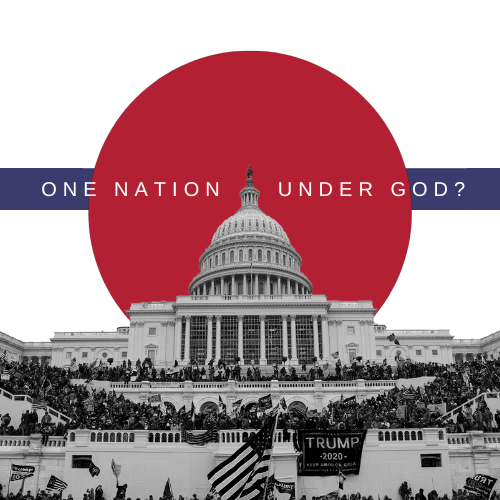
One Nation Under God?
What does the American flag have to do with the cross? To adherents of Christian nationalism, the answer is everything. Join Sam Perry for a glimpse into the sociocultural phenomenon of white Christian Nationalism and how the Bible is being used to support ideologies that are diametrically opposed to the teachings of Jesus.
Reading the Bible from the Margins
Offering insights on how to read the Bible in a way that honors the unique and helpful perspective of people on the margins while also engaging in the best in biblical scholarship.
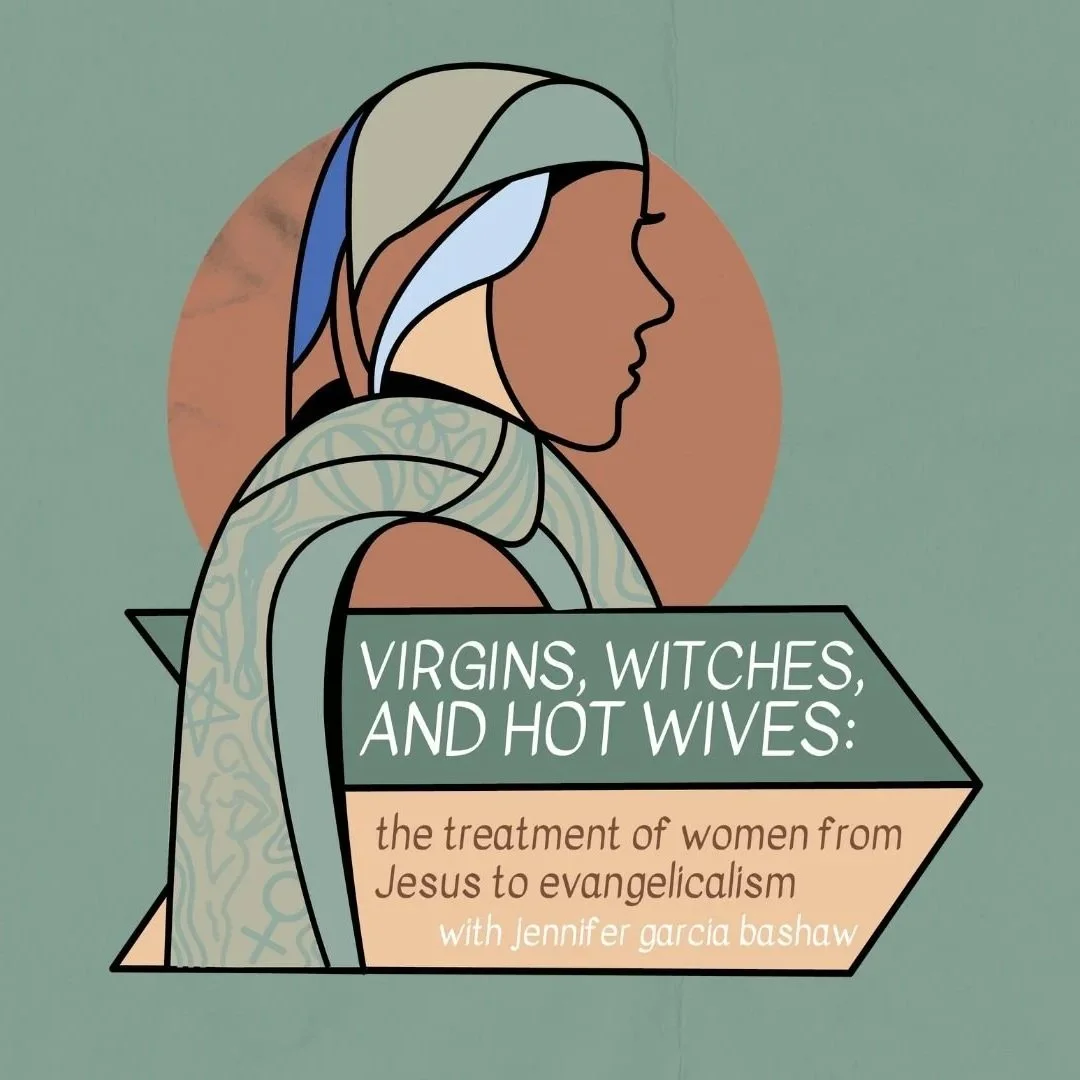
Virgins, Witches, and Hot Wives: The Treatment of Women from Jesus to Evangelicalism
Class focused on the biblical message about Jesus’s treatment of women in contrast with the church’s historical misogyny. Facilitated by Jennifer Garcia Bashaw.