
Topics
- #church history 1
- #cultural and social issues 1
- #doubt 1
- #politics 1
- Amy-Jill Levine 1
- Andrew Perriman 1
- Austen Hartke 1
- Austin Channing Brown 1
- Bible for Normal People Season 1 27
- Bible for Normal People Season 2 39
- Bible for Normal People Season 3 41
- Bible for Normal People Season 4 40
- Bible for Normal People Season 5 40
- Bible for Normal People Season 6 6
- Bible for Normal People Season 8 1
- Biblical Interpretation 141
- Brian Walsh 1
- Canonization 13
- Cheryl Bridges Johns 1
- Church History 44
- Cultural & Social Issues 70
- Deconstruction 35
- Doubt 34
- Elizabeth Enns Petters 1
- Ethics & Morality 14
- Faith for Normal People Season 1 1
- God 35
- Jared Byas 5
- Jennifer Knust 1
- Jesus 30
- Jonathan Martin 1
- Jonathan Walton 1
- Judy Stack 1
- LGBTQ+ 8
- Linda Kay Klein 1
- New Testament 49
- Non-Christian Religions 25
- Old Testament 76
- Pete Enns 10
- Pete Holmes: 1
- Pete Ruins 3
- Politics 24
- Propaganda 1
- Race & Justice 13
- Rachel Held Evans 1
- Rhonda Burnette-Bletsch 1
- Richard Rohr 1
- Robert Alter 1
- Salvation 10
- Science 3
Episode 73: Ciarra Jones - Who Gets to Decide What The Bible Means?
In this week’s episode of Faith for Normal People, Pete and Jared talk with theologian Ciarra Jones about who gets to decide what the Bible means and how our identities, experiences, and social locations shape the ways we interpret Scripture. Drawing on her own journey from Pentecostal Christianity to Black, queer, womanist, and liberation theology, Ciarra explores how dominant interpretations of the Bible have been used to justify slavery, white supremacy, sexism, and the marginalization of LGBTQ+ people. She also introduces the practices of biblical refusal and biblical reversal, challenging the idea that some interpretations are objective while others are merely subjective, and invites listeners to see deconstruction not as abandoning faith but as a process of reorientation, reconstruction, and discovering a more expansive and intimate understanding of God.
Episode 321: H. Daniel Zacharias and T. Christopher Hoklotubbe - Native American Biblical Interpretation
In this week’s episode of The Bible for Normal People, Pete and Jared talk with Chris Hoklotubbe and Danny Zacharias about biblical interpretation through an Indigenous American perspective. They explore how cultural identity, history, and social location shape the way people read Scripture, and why Indigenous perspectives challenge assumptions many Christians take for granted. Together, they invite listeners to read the Bible more thoughtfully, remaining aware of their own context and open to voices that have too often been overlooked.
Episode 64: Drew G. I. Hart & Jarrod McKenna - Creative Resistance & the Joy of Nonviolence
In this episode of Faith for Normal People, Pete and Jared sit down with Drew G. I. Hart and Jarrod McKenna to talk about rethinking power and nonviolence. Through practices inspired by Anabaptism, the Black church, and the teachings of Jesus, Drew and Jarrod explore how Christians can contribute to social change through their own nonviolent resistance as individuals and communities.
Episode 59: Malcolm Foley - The Connection Between Racism and Greed
In this episode of Faith for Normal People, Pete and Jared sit down with Malcolm Foley to explore the connection between racism and greed in American history, and the calling of Christians to live differently. Drawing from his book The Anti-Greed Gospel, they discuss how economic self-interest has fueled racial injustice, how the church has been both complicit and resistant, and what it means to practice economic solidarity rooted in the life of Jesus.

Episode 56: Wylin D. Wilson - Womanist Wisdom for a Wounded World
In this episode of Faith for Normal People, nerds-in-residence Anna Sieges-Beal and Dr. Angela N. Parker talk with Dr. Wylin D. Wilson about the intersection of faith, justice, and healthcare through the lens of womanist bioethics. They explore how Black women’s lived experiences reveal deep ethical gaps in the medical system and how centering the most vulnerable offers a path toward collective healing and solidarity.
Episode 52: Larycia Hawkins - Embodied Solidarity
What does it really mean to stand in solidarity with the marginalized? Pete Enns and Angela Parker are joined by scholar and activist Dr. Larycia Hawkins in this episode of Faith for Normal People to explore the risks and challenges of embodied solidarity, the radical model set by Jesus, and how everyday activism intertwines with a life of faith.
Episode 50: Esau McCaulley - The Search for God and Self
How do experiences of pain, identity, and reconciliation shape one’s understanding of God and faith? In this episode of Faith for Normal People, Pete and Jared are joined by Esau McCaulley to talk about how his faith has been formed in the midst of family trauma, anti-Black racism, and the search for identity in America. Together they ponder forgiveness as a transformative process, the hard parts of cultivating a desire for others' flourishing, and the ways suffering can deepen faith.
Episode 43: Yolanda Pierce - Nobody's Doing Theology from the Moon
In this episode of Faith for Normal People, Jared and Angela Parker talk to Yolanda Pierce about the different paths of deconstruction, how womanist and intersectional theology provides plenty good room, and why true multicultural diversity is more than just different faces in a shared space.
Episode 38: Tamice Spencer-Helms - Grounding Our Faith in Our Experiences
Tamice Spencer-Helms joins Jared in this episode of Faith for Normal People for a conversation about the integration of faith and identity. Tamice shares their journey of navigating life as a queer and Black Christian, emphasizing the power of authenticity and agency in leaving toxic theologies behind.
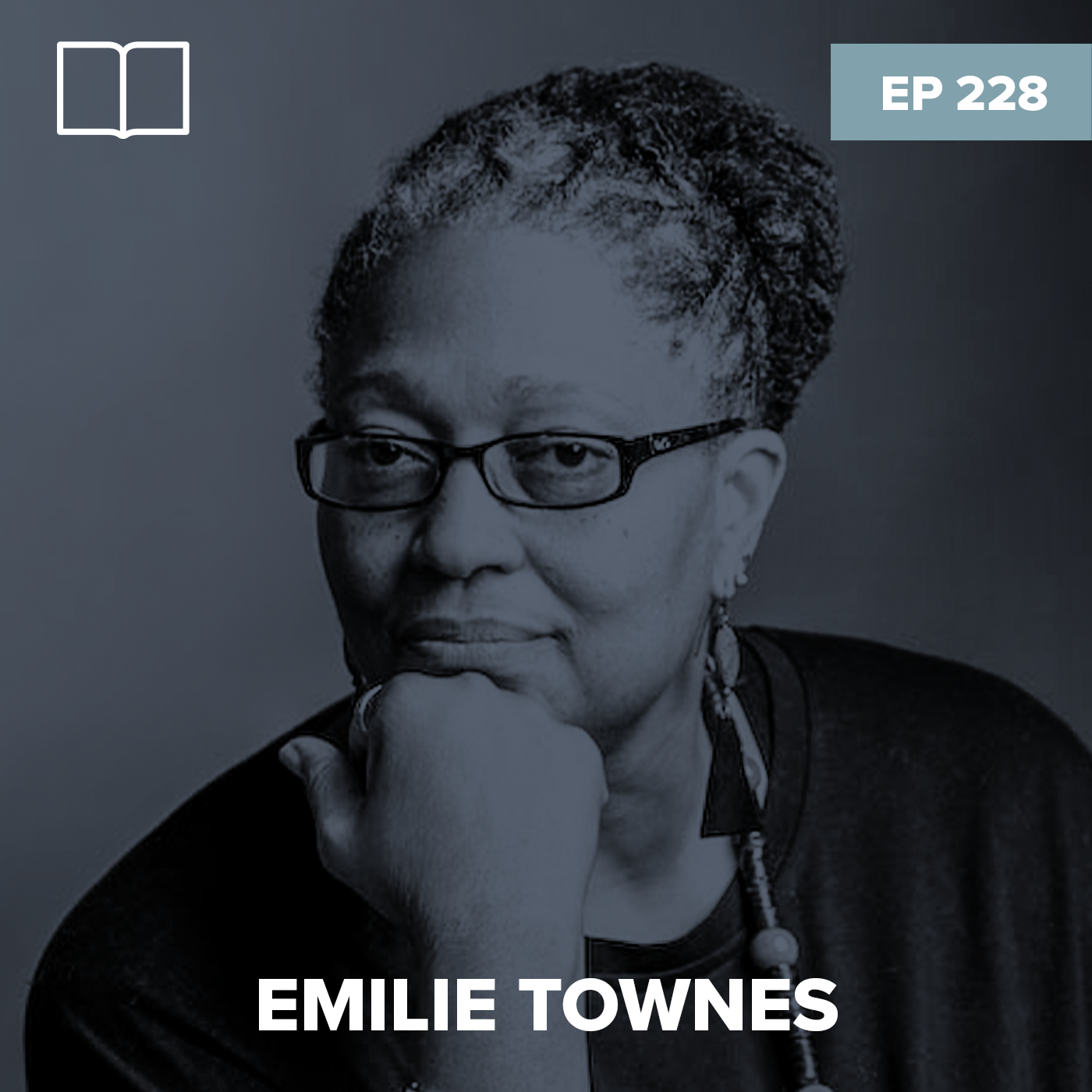
Episode 228: Emilie Townes - The Wisdom of Hope (REISSUE)
In this episode of The Bible for Normal People Podcast, Pete and Jared talk with Emilie Townes about womanist ethics, interpreting the Bible, and hope.
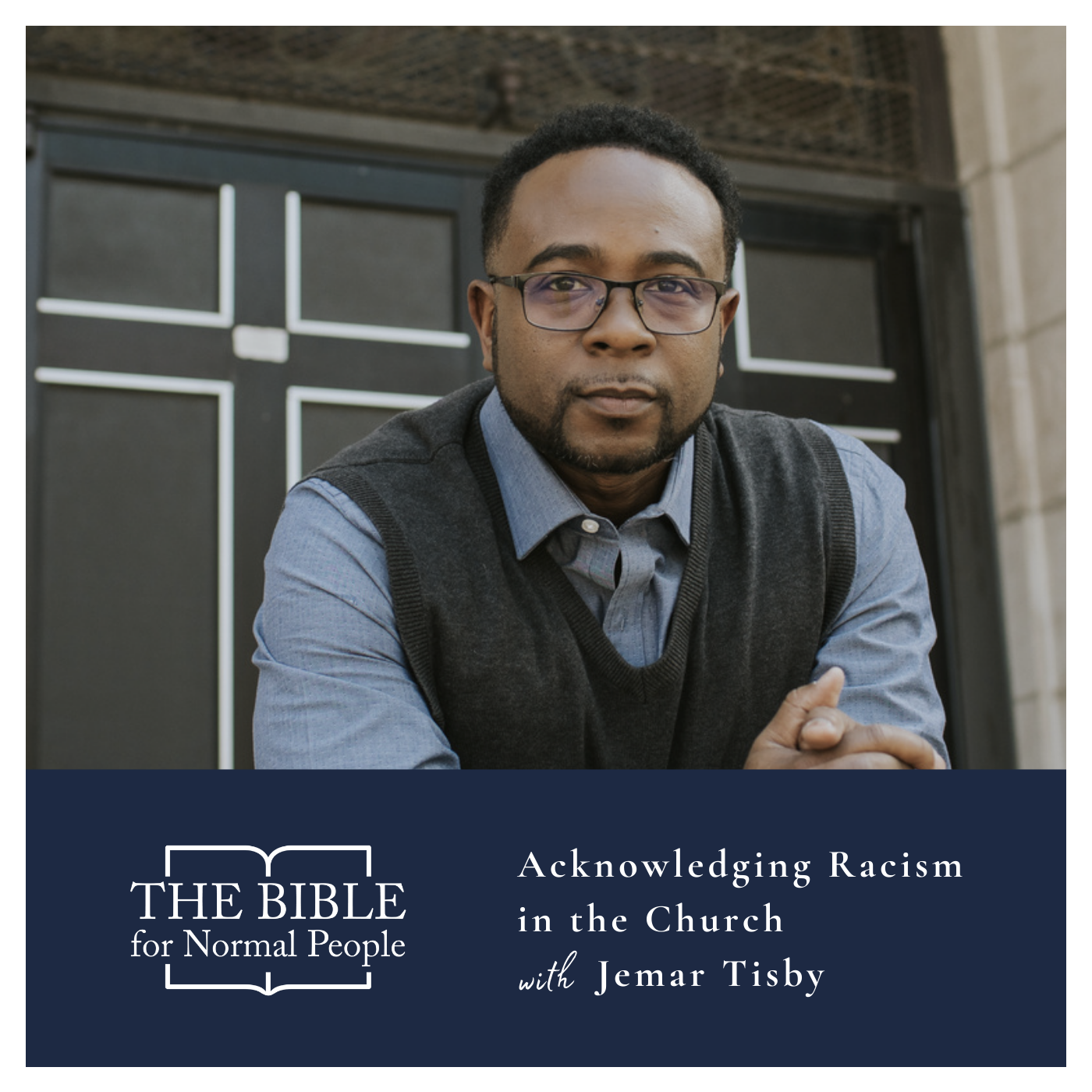
Episode 219: Jemar Tisby - Acknowledging Racism in the Church
In this episode of The Bible for Normal People, Jemar Tisby joins Jared and Pete to talk about the legacy of systemic racism in the white American evangelical church, and how white Christians can practice anti-racism in their personal lives and in their communities.
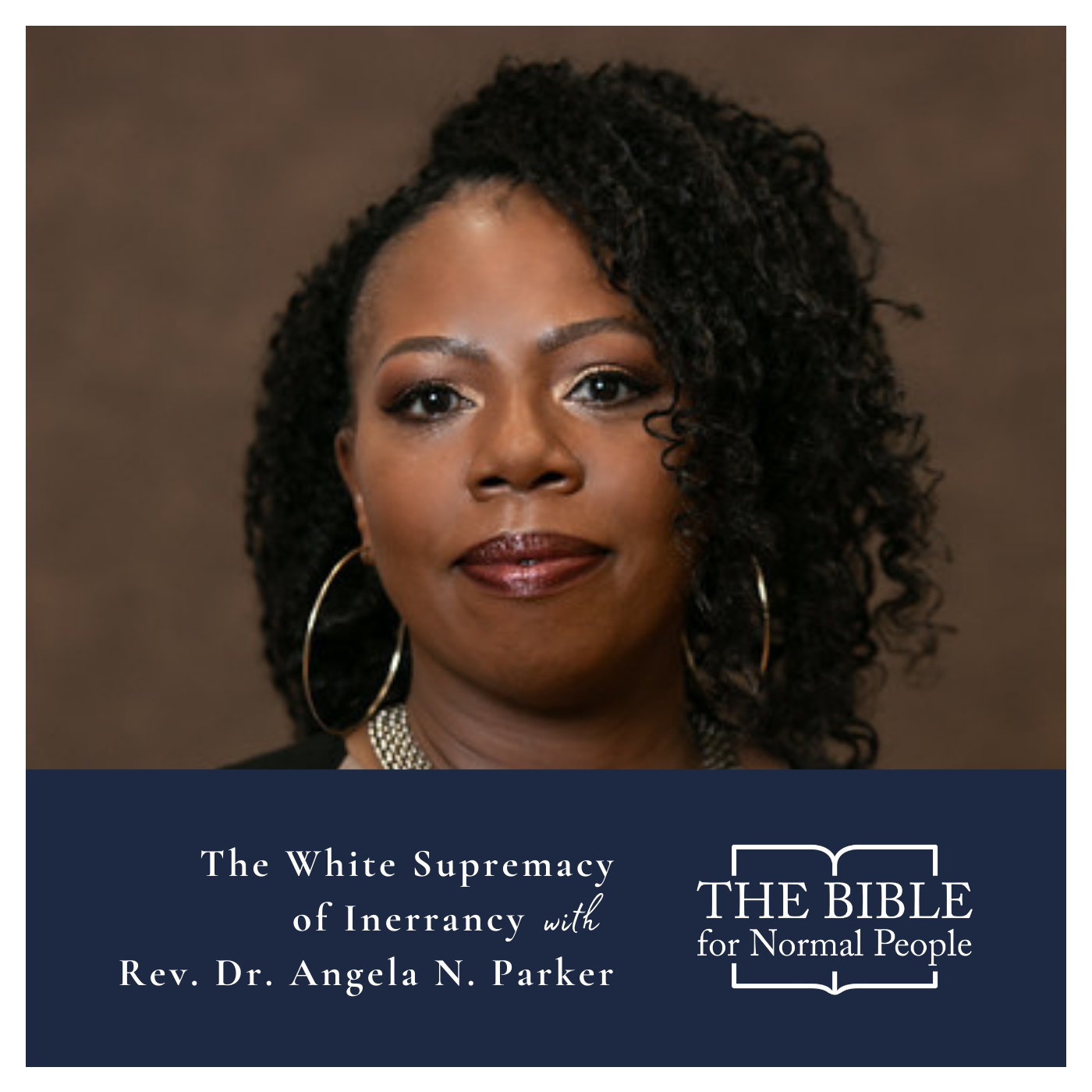
Episode 216: Rev. Dr. Angela N. Parker - The White Supremacy of Inerrancy
In this episode of The Bible for Normal People, Rev. Dr. Angela N. Parker joins Pete and Jared to talk about the impact of white supremacy in the field of biblical interpretation, whether we can truly read the Bible objectively, and how a womanist interpretation of the Bible can lead to liberation for all.
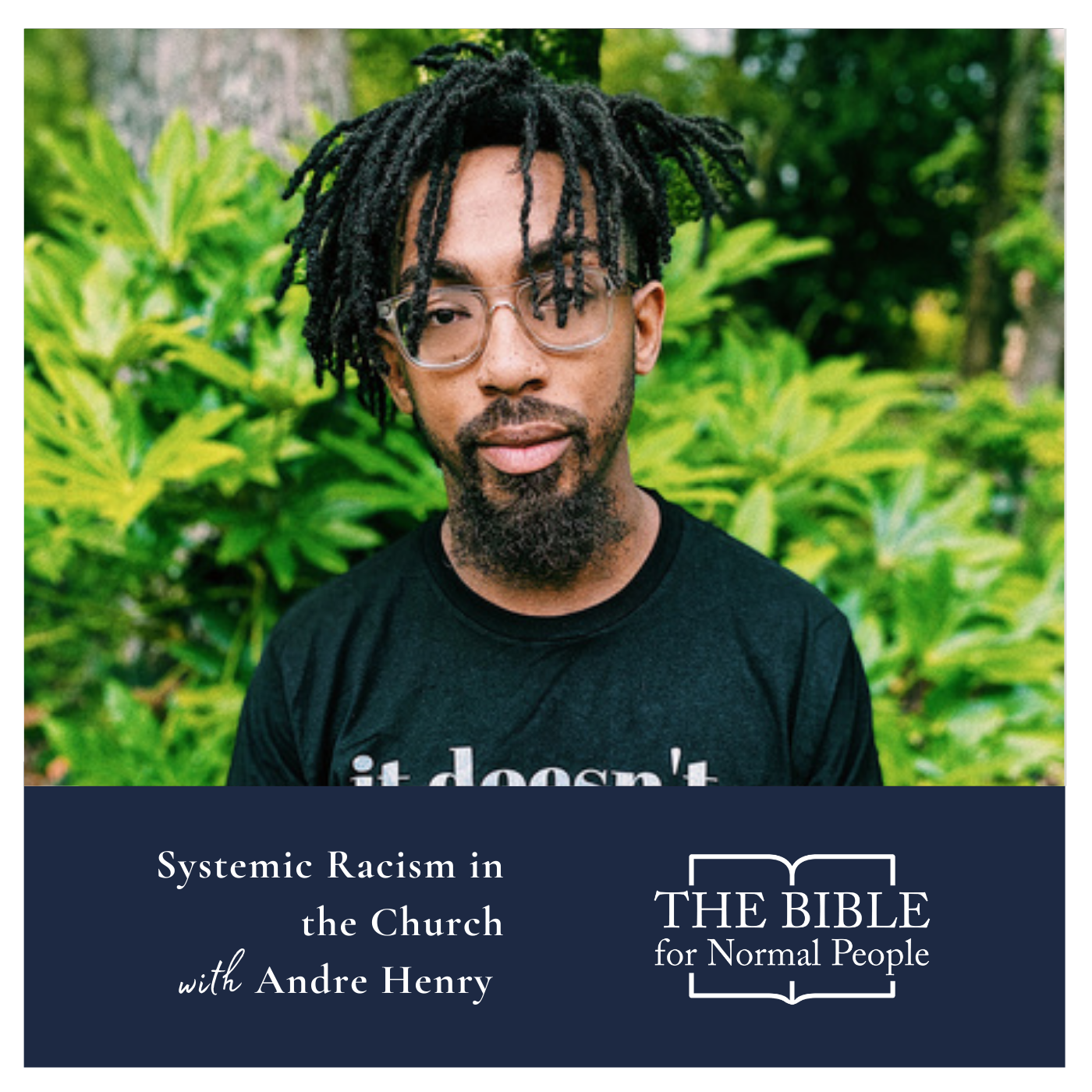
Episode 203: Andre Henry – Systemic Racism in the Church
In this episode of The Bible for Normal People, Andre Henry joins Pete and Jared to discuss the cultural and theological underpinnings of systemic racism in the church.