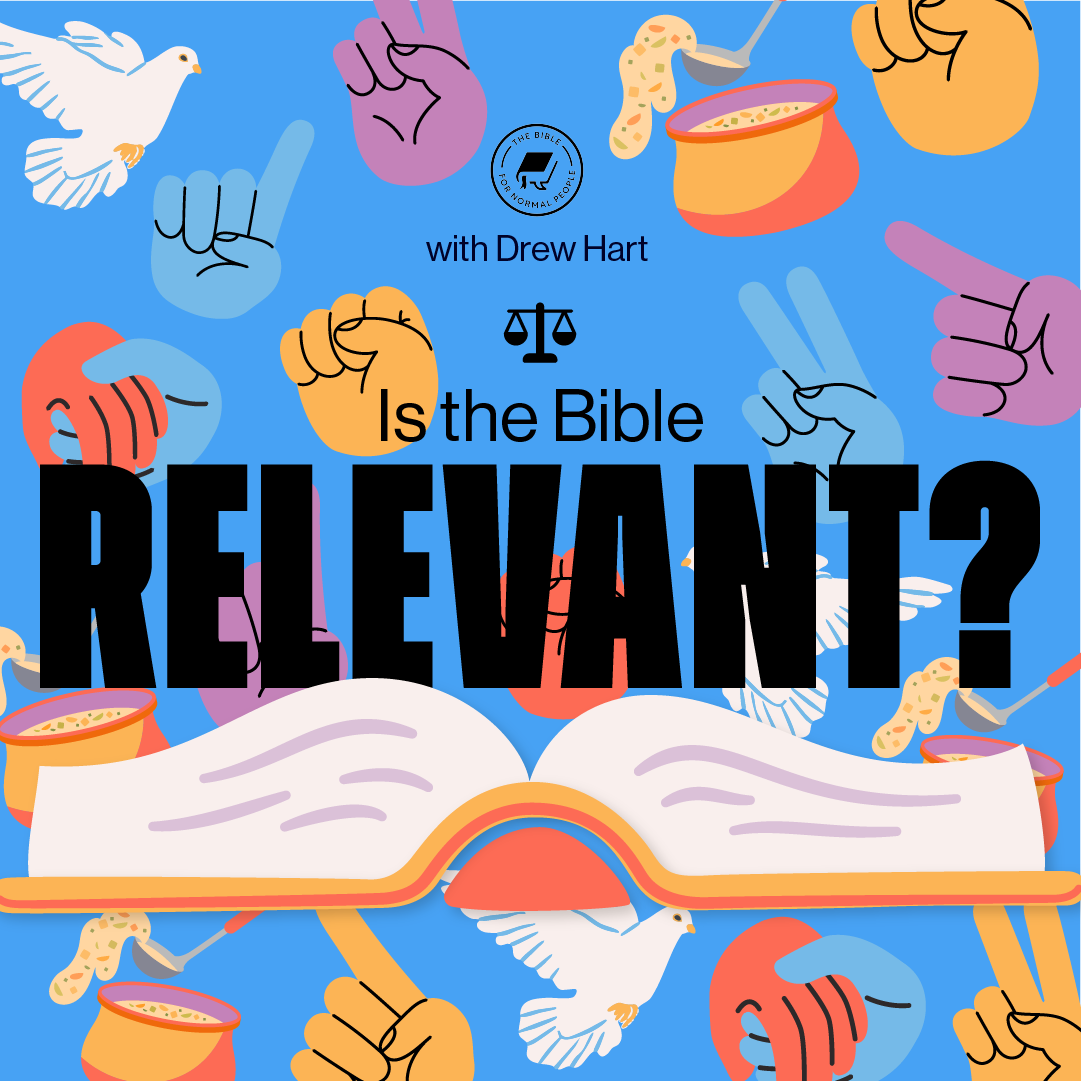
Many of us grew up being told the Bible had an answer for every moral dilemma, every political debate, every life decision. When we discovered it didn't work that way, we were left wondering: Is the Bible even relevant anymore?
In this class, theologian Drew G. I. Hart argues that if we're looking for a rulebook, the answer is clearly no. But if we're willing to read scripture as a living conversation of wisdom and inspiration that bends toward justice, liberation, and shalom, then the Bible becomes extremely relevant. Drawing on his own theological traditions, Drew will walk through how different parts of the Bible are healing as well as harmful, yet collectively can inform some of today's most urgent concerns (race, empire, gender, land, and peacemaking) and how we can interpret, wrestle with, and embody scripture’s wisdom for pursuing more just and mutually liberative communities rather than as a weapon to dominate others.